Dorper &
witdorperstoet

the best in limpopo

Our Mision here at horizon agri

To be recognized as a leading breeder of premium Dorper sheep, committed to enhancing the breed’s quality and contributing to sustainable agricultural practices. We envision a future where our superior genetics support local farmers and contribute to the growth of the livestock industry.

Dorper Sheep • Witdorperstoet • sheeps • dorper sheep •

Dorper sheep farming

Lambing Percentages

Lambing percentages are a crucial metric in sheep farming, particularly for Dorper sheep, known for their reproductive efficiency Typically, Dorper ewes exhibit impressive lambing rates, averaging between 150% to 200%. This means that for every 100 ewes, farmers can expect to produce 150 to 200 lambs. Several factors, including genetics, nutrition, and management practices, influence these percentages. Proper nutrition before and during breeding can enhance fertility, while effective flock management ensures optimal conditions for lambing. The high lambing percentage of Dorper sheep not only boosts farm profitability but also underscores their reputation as a reliable choice for meat production in various environments.

Dorper Association

Horizon Dorper Breeder proudly joins the Dorper Breeders Association of South Africa, affirming our commitment to excellence in breeding practices. This membership connects us with industry experts and fellow breeders, fostering collaboration and innovation. Together, we aim to enhance the Dorper breed’s quality and contribute to sustainable sheep farming in the region.

Horizon Agri

Why we Breed Dorper Sheep

Meat Production

Hardiness & Adaptability

Self-Shedding

High Fertility

Rapid Growth

Horizon Agri

Frequently asked questions

Dorper sheep are prized for their adaptability, fast growth rate, and high‑quality meat. They thrive in both arid and lush environments, making them ideal for South African farming conditions.

Yes, Dorper sheep are hardy and low‑maintenance, making them perfect for beginners or small‑scale farmers who want profitable livestock with minimal input.

No, Dorper sheep naturally shed their hair, which saves farmers time and reduces costs compared to wool breeds.

Dorper sheep are excellent grazers and can thrive on natural pasture. They adapt well to different feeding programs, including supplementary feed during dry seasons.

Dorper ewes are highly fertile and can lamb up to three times in two years, ensuring consistent flock growth.

Dorper sheep are known for their resilience, but like all livestock, they benefit from proper vaccination, parasite control, and regular veterinary care.

Dorper lamb is lean, tender, and flavorful, making it a premium choice for restaurants, butcheries, and health‑conscious consumers.

Yes, Dorper sheep offer high returns due to their fast growth, strong market demand, and low maintenance costs.

Yes, Dorper sheep are often crossbred to improve meat quality and adaptability in other flocks.

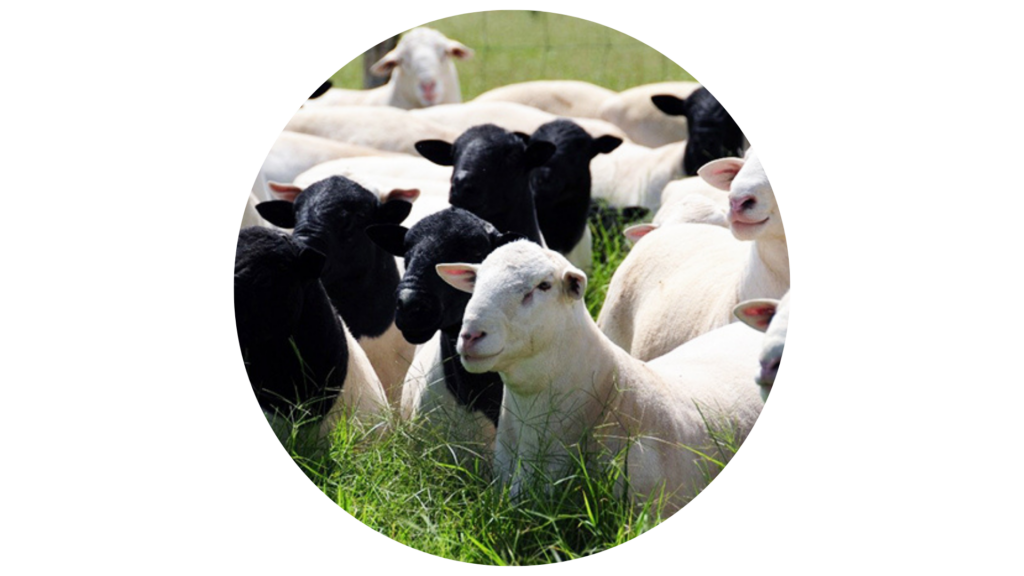
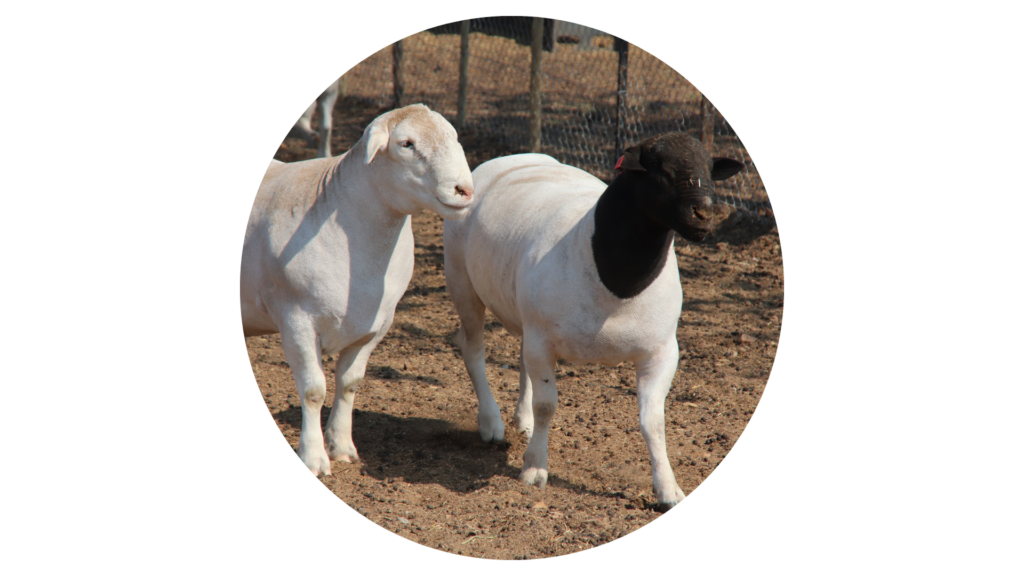
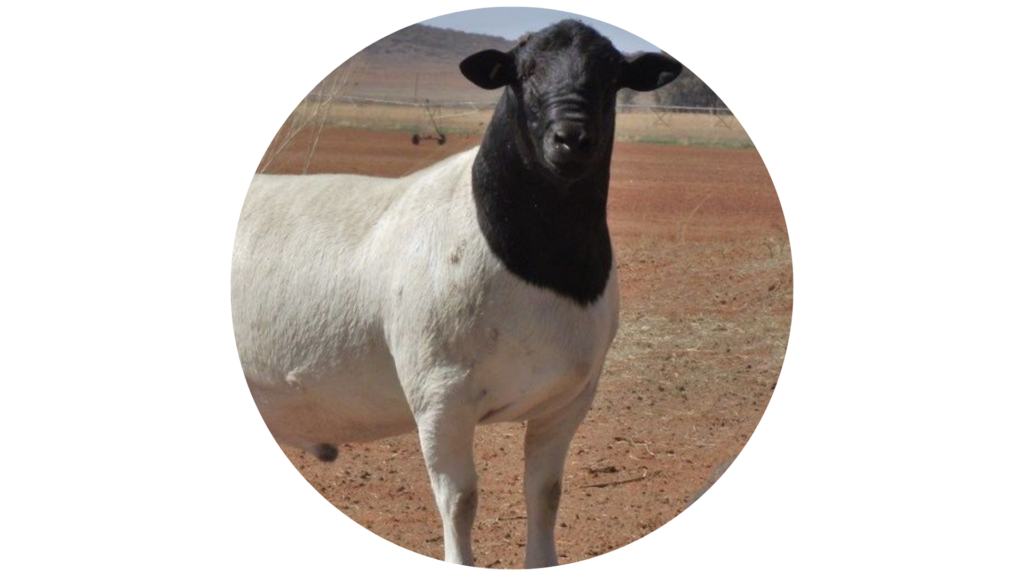
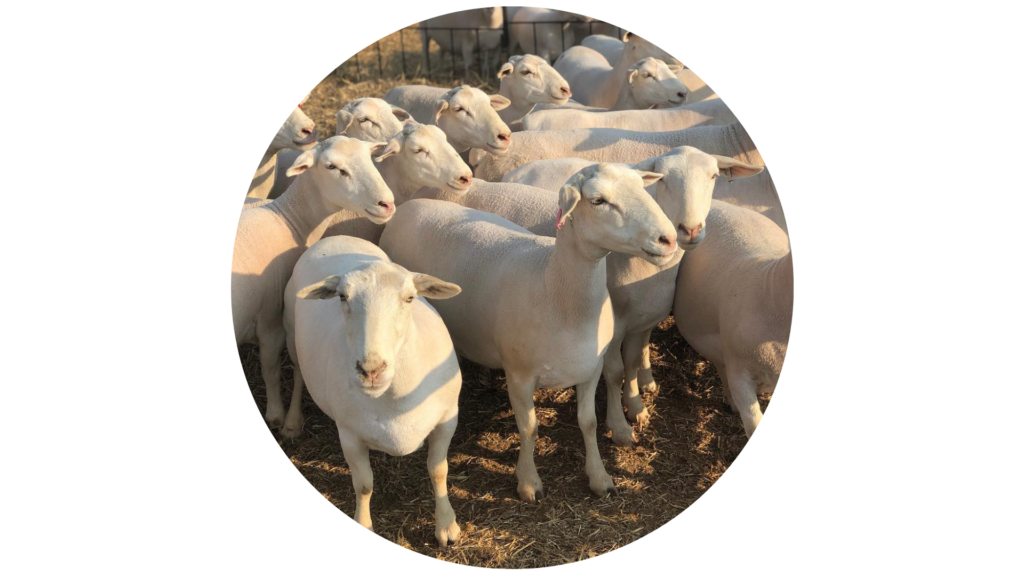
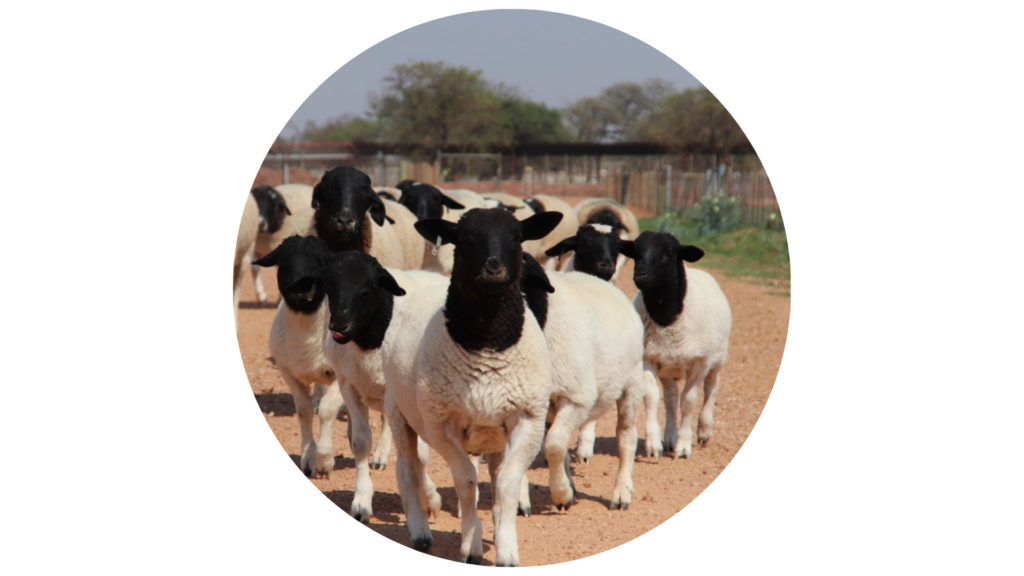
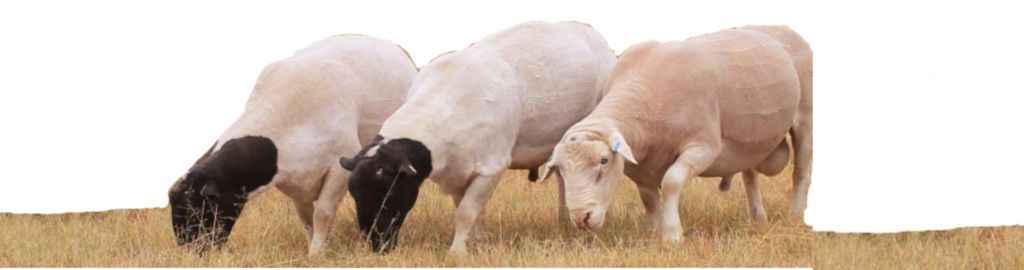
The main difference is appearance: White Dorpers are entirely white, while Black‑headed Dorpers have a distinctive black head. Both share the same hardy traits and meat quality.

Dorper Sheep • Witdorperstoet • sheeps • dorper sheep •

Horizon Agri

Good breeding practice

Select for Strength

Choose rams and ewes with strong growth, fertility, and adaptability traits.

Track Every Cycle

Keep records of mating, lambing, and performance to refine herd quality.

Select for Strength

Choose rams and ewes with strong growth, fertility, and adaptability traits.

Track Every Cycle

Keep records of mating, lambing, and performance to refine herd quality.

The ewe background

Feeding and condition of ewes.

Size of camps, percentage rams to ewes.

Fertility, condition and libido of rams.

mating season

low-conception period

Thriving Where Others Don’t

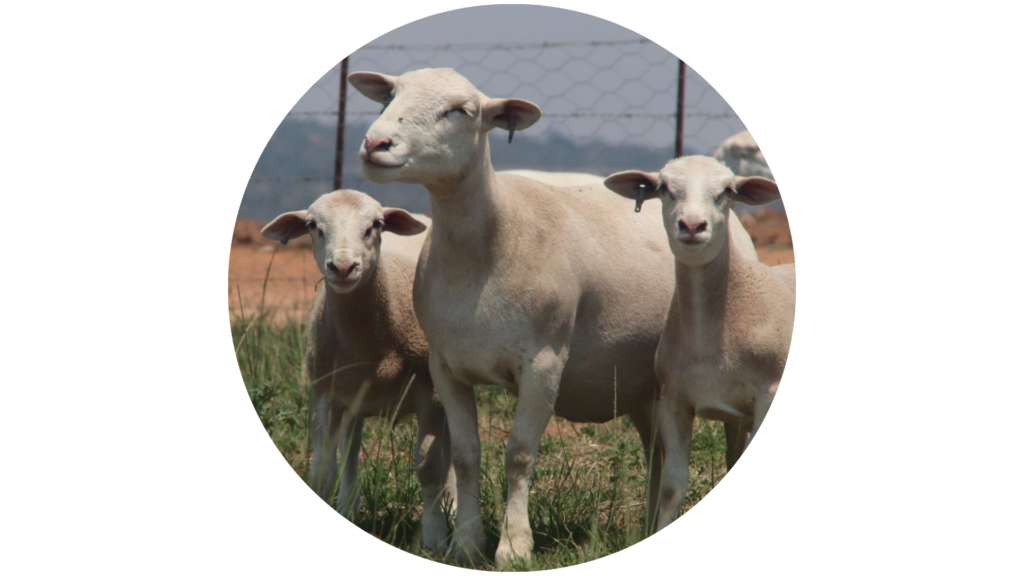
Dorper sheep are a hardy, fast-growing breed prized for their adaptability and meat quality. Bred from Dorset Horn and Blackhead Persian sheep, they flourish in arid and semi-arid regions, requiring minimal maintenance while delivering high productivity. Their resilience to heat and drought, combined with non-selective grazing habits, makes them ideal for sustainable farming systems focused on efficiency and yield, even in challenging climates.

Grazing Adaptability
0 %
Lambing Success Rate
0 %
Meat Yield Efficiency
0 %

Get in touch